
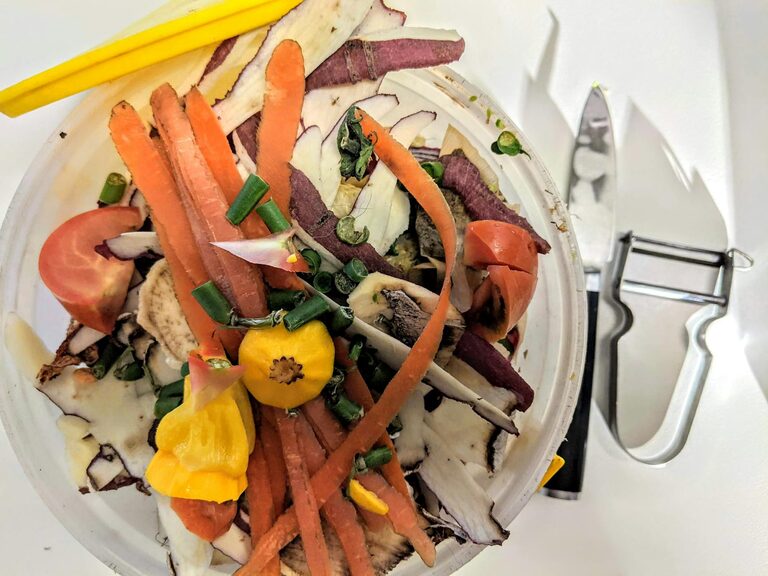
Reducing food waste at home is a simple yet impactful way to save money, reduce environmental harm, and make your kitchen more efficient. With some thoughtful planning and small changes, you can significantly cut down the amount of food that ends up in the trash. This post will explore practical strategies for minimizing food waste in your household.
Why Reducing Food Waste Matters
Food waste has far-reaching consequences beyond just throwing away groceries. Wasted food means wasted resources like water, energy, and labor. It also contributes to methane emissions in landfills, which impact climate change. By reducing waste at home, you help conserve resources and support a more sustainable food system.
Plan Your Meals Strategically
One of the biggest causes of food waste is buying more than you need or forgetting about food before it spoils.
Make a Weekly Meal Plan
Create a meal plan for the week before shopping. This helps you focus on buying only what you need and avoid impulse buys that may go unused.
Use a Shopping List
Stick to a shopping list based on your meal plan. This reduces the chance of buying extra items that might not get eaten.
Check Your Pantry and Fridge First
Before shopping, see what ingredients you already have. Use these items first by planning meals around them.
Smart Storage Techniques
Proper storage can extend the life of your food and keep it fresh longer.
Understand Storage Needs
Different foods require different storage. For example, leafy greens last longer if stored in a breathable container or wrapped in paper towels, while potatoes should be kept in a cool, dark place.
Use Clear Containers
Store leftovers and prepped foods in clear, airtight containers to easily see what you have and prevent forgotten items.
Organize Your Fridge
Keep older items at the front and new purchases at the back. This “first in, first out” approach encourages you to use food before it spoils.
Make Use of Leftovers
Leftovers don’t have to be boring or forgotten.
Repurpose Leftovers Creatively
Turn roasted veggies into soups, stale bread into croutons, or cooked rice into fried rice dishes.
Freeze for Later
Portion leftover meals into freezer-safe containers for quick future meals. Label with dates to keep track.
Share Extra Food
If you have excess perishable items, consider sharing with neighbors or friends to avoid waste.
Understand Expiration Labels
Many people discard food prematurely based on expiration dates.
Know the Difference Between “Sell-By” and “Use-By”
“Sell-by” dates are for stores, while “use-by” dates indicate peak quality but don’t always mean food is unsafe afterward.
Trust Your Senses
Look, smell, and taste small amounts of food before throwing it away. Often, food is still good beyond the printed dates.
Compost Food Scraps
Some food waste is inevitable, but composting turns scraps into valuable soil for gardening.
What to Compost
Fruit and vegetable peels, coffee grounds, eggshells, and other organic matter make excellent compost ingredients.
Composting Options
If you have space, start a compost pile or bin in your yard. If not, check for local community compost programs.
Additional Tips to Reduce Food Waste
Here are some more simple habits to keep in mind:
– Buy imperfect produce: Slightly bruised or oddly shaped fruits and vegetables are often cheaper and just as nutritious.
– Cook in smaller batches: Prepare only what you can eat to avoid excess leftovers.
– Use your freezer smartly: Freeze perishable items like bread or meat before they spoil.
– Keep a food waste journal: Track what you throw out to identify patterns and improve shopping habits.
Conclusion
Reducing food waste at home is achievable with a combination of planning, smart storage, and creativity. Every small step helps save money and contributes to a healthier planet. By adopting some of these practical tips, you can make a big difference with your everyday food habits.
Start implementing these ideas today and enjoy the rewards of a more sustainable, efficient kitchen!