
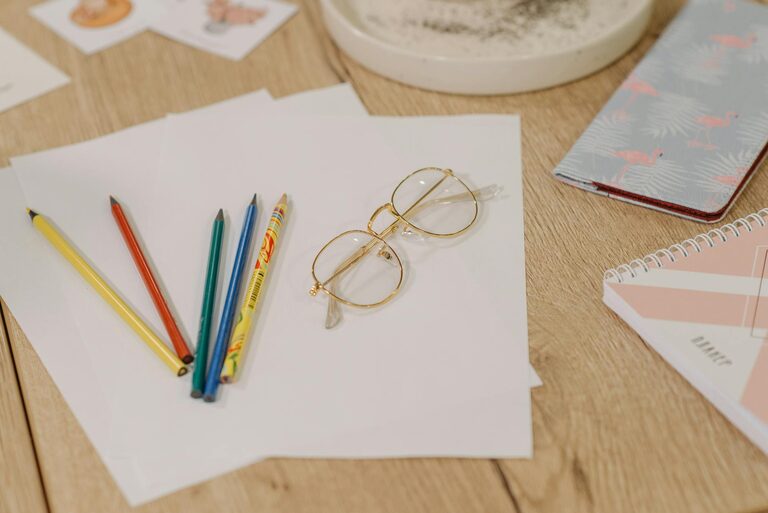
Choosing the right notebook might seem simple, but if you’ve ever bought one and then never used it, you know it’s not just about grabbing the prettiest cover. A notebook that fits your needs and habits can motivate you to write more, stay organized, and even spark your creativity. This guide will walk you through everything you need to consider when picking a notebook you’ll actually use.
Why Choosing the Right Notebook Matters
Notebooks are everywhere—available in endless styles, sizes, and paper types. But the perfect notebook for you depends on more than appearance. It’s about how you plan to use it whether for journaling, note-taking, sketching, or planning. Using a notebook that feels right makes it easier to maintain your habit and get the most out of your writing time.
Step 1: Identify Your Primary Purpose
Before buying, think about what you’ll use the notebook for:
– Journaling or Diary: You might want something with lined pages and a durable cover.
– Note-taking for Work or School: Consider a notebook that’s easy to organize, maybe with sections or an index.
– Creative Sketching: Blank or dotted pages work better here.
– Planning and Task Management: Look for planners with layouts or grid pages for flexibility.
Knowing your main use helps narrow down features and formats that suit your style.
Step 2: Choose the Right Size
Notebook sizes range from pocket-friendly to full letter size or larger. Each has pros and cons depending on your needs:
– Pocket-sized (A6 or smaller): Great for quick notes or to-do lists on the go but can feel cramped.
– Standard A5: Popular for balance—large enough for good detail but easy to carry.
– Letter or A4: Ideal for detailed notes or sketches, but can be bulky.
Consider your daily routine. Do you carry a bag with extra space, or do you prefer to travel light? The right size encourages consistent use.
Step 3: Pick the Paper Style that Works for You
The paper inside affects your writing experience. Common styles include:
– Lined: Perfect for writing and keeping text neat.
– Blank: Offers freedom for drawing or freeform notes.
– Dotted: Combines structure with flexibility—ideal for bullet journaling.
– Grid: Helpful for technical notes, diagrams, or graphs.
Also, think about paper weight. Heavier paper (measured in gsm) prevents ink from bleeding through and feels more substantial.
Step 4: Consider Binding Types
How the pages are held together affects usability:
– Spiral Bound: Pages lie flat and can be folded back, great for note-taking.
– Casebound (Hardcover): Durable and professional-looking but may not lay flat easily.
– Softcover: Lightweight and flexible but less durable over time.
– Stitched (Sewn): Strong binding with nice flat opening, common in quality journals.
If you prefer writing with the notebook open on a desk, spiral or stitched bindings work best.
Step 5: Cover Material and Durability
Your notebook will likely go where you go, so durability matters:
– Hardcover: Protects pages and resists wear; ideal for daily use.
– Softcover or Flexcover: More portable but can bend or crease.
– Leather or Faux Leather: Adds style and sturdiness but usually comes at a higher price.
– Fabric or Paper Covers: Stylish but less durable.
If you carry your notebook in a bag or use it outdoors, pick a cover that stands up well to wear and tear.
Step 6: Extra Features to Look For
Some notebooks include helpful additions that might suit your needs:
– Page Numbers and Index: Useful for easy navigation.
– Pre-printed Dates or Sections: Great for planners or diaries.
– Pockets: Handy for storing loose papers or stickers.
– Bookmarks or Elastic Closures: Keeps your place and keeps the notebook closed securely.
– Pen Holder: Convenience for always having a pen nearby.
Decide which features would enhance your everyday use without adding clutter.
Step 7: Set a Realistic Budget
Notebooks come in a wide price range. Quality often correlates with higher cost, but you don’t need the most expensive option to find something great. Think about:
– How often you’ll use the notebook
– If you want a disposable notebook or a keepsake
– Whether you prefer to invest in a premium brand or buy affordable multiples
Investing a bit more can mean better paper and binding, which improves your writing experience and longevity.
Step 8: Test Before You Buy When Possible
If you’re shopping in a store, try flipping through a few notebooks:
– Write a few lines to feel the paper texture.
– See how the notebook handles being opened and closed.
– Check if the size fits your intended carrying method.
When buying online, read reviews and check product photos carefully. Some sellers offer sample packs or inexpensive trial notebooks to help you decide.
Tips to Actually Use Your New Notebook
Choosing the right notebook is only part of the journey. Here are simple ways to make sure you use it regularly:
– Keep it visible and accessible at your workspace or carry it with you.
– Set a routine time to write or plan in your notebook.
– Use different colors, doodles, or stickers to make the pages inviting.
– Don’t worry about perfection—focus on progress and consistency.
– Pair your notebook with a favorite pen to make writing enjoyable.
Final Thoughts
A notebook is more than just paper and cover; it’s a tool to capture ideas, organize your thoughts, or simply enjoy writing. By considering your needs, size preferences, paper style, and features, you can choose a notebook that fits your lifestyle and motivates you to use it every day. Happy writing!