
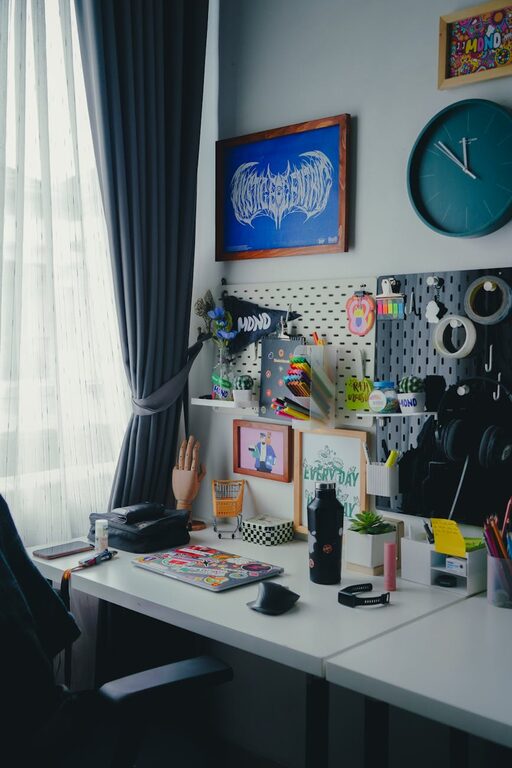
Creating a workspace that supports both focus and comfort can significantly enhance your productivity and overall well-being. Whether you work from home or in an office, setting up your desk thoughtfully helps reduce distractions, prevent fatigue, and promote a positive work experience. In this post, we’ll explore effective tips to organize and design your desk setup for maximum comfort and concentration.
Why a Good Desk Setup Matters
Your workspace directly influences how well you work. An uncomfortable or cluttered desk can lead to physical strain, reduced concentration, and even stress. Conversely, a well-arranged desk helps maintain good posture, keeps necessary items within reach, and minimizes visual clutter.
By investing time in optimizing your desk setup, you create an environment that encourages productivity, focus, and comfort.
Choose the Right Desk and Chair
Desk Height and Size
– Height: Aim for a desk height where your elbows form a 90-degree angle when typing or writing. Standard desks are around 28 to 30 inches tall, but adjustable desks can offer more flexibility.
– Size: Ensure your desk surface is big enough to hold your computer, accessories, and any documents you frequently use, without feeling cramped.
Ergonomic Chair
Your chair should support your lower back and allow your feet to rest flat on the floor or on a footrest. Look for chairs with adjustable height, lumbar support, and comfortable cushioning.
Organize Your Desk Layout
An organized desk minimizes distractions and helps you find things quickly.
Essential Items Within Reach
– Place your computer or laptop directly in front of you.
– Keep frequently used items like pens, notebooks, and your phone nearby.
– Use desk organizers or drawers to store smaller items tidily.
Reduce Clutter
– Remove unnecessary items to create a clean surface.
– Use cable organizers to keep cords and chargers untangled.
– Consider digital tools to reduce paper usage and keep files organized.
Optimize Lighting
Good lighting reduces eye strain and enhances focus.
– Natural light is best. Position your desk near a window if possible, but avoid screen glare.
– Use a desk lamp with adjustable brightness to provide supplemental light during darker hours.
– Choose bulbs that emit soft white light (around 3000K), which is warm and less harsh.
Position Your Monitor Properly
Your monitor placement significantly affects comfort.
– The top of the screen should be at or just below eye level.
– Position the screen about an arm’s length away.
– Tilt the monitor slightly upward to avoid neck strain.
– If you use multiple screens, align them side by side and at the same height.
Add Personal Comfort Elements
Incorporate items that make you feel comfortable but don’t distract.
– A small plant can improve mood and air quality.
– Use a wrist rest if typing for long hours.
– Have a water bottle nearby to stay hydrated.
Minimize Distractions
Creating a focused workspace involves limiting interruptions.
– Use noise-canceling headphones if noise is an issue.
– Set your phone to “Do Not Disturb” mode during work sessions.
– Keep your workspace dedicated to work only—avoid mixing it with leisure items.
Take Breaks and Move
No desk setup is complete without considering your own well-being.
– Stand up and stretch every 30 to 60 minutes.
– Consider a sit-stand desk model to vary your posture throughout the day.
– Incorporate short walks or stretching routines to reduce physical tension.
Maintain Cleanliness Regularly
Keeping your desk clean promotes a clear mind.
– Spend a few minutes at the end of each day tidying your space.
– Wipe down your desk and equipment to remove dust and germs.
– Regularly declutter drawers and file important papers.
Conclusion
A good desk setup is more than just aesthetics—it’s about creating an environment that supports your work habits, helps you stay focused, and ensures physical comfort throughout the day. By choosing the right furniture, organizing your essentials, optimizing lighting, and including personal comforts, you set yourself up for success. Remember, even small changes can make a big difference in how you work and feel.
Take some time this week to evaluate your current workspace and implement these tips. Your body and mind will thank you!