
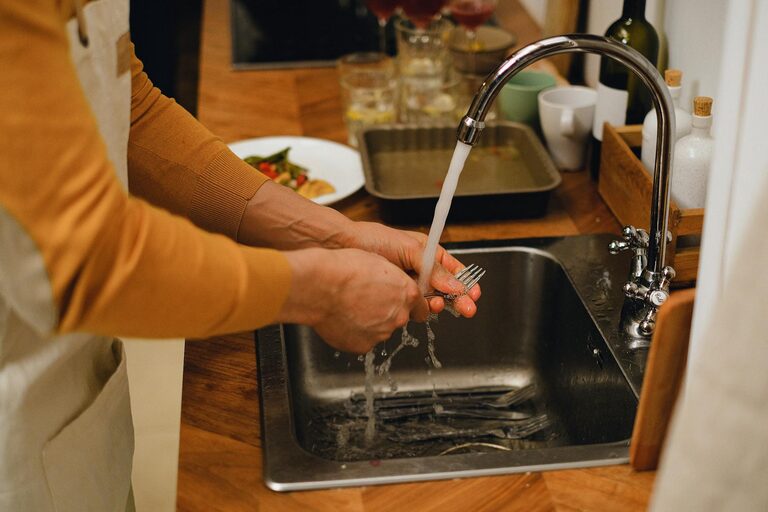
Cleaning up after dinner can often feel like a daunting task, especially after a long day. However, with a few smart strategies, you can make this routine easier and less time-consuming. Whether you cook for one or for a family, the key is to streamline the process and minimize mess as you go. Here are some helpful ideas to make dinner cleanup a breeze every night.
1. Prepare Your Workspace Before Cooking
One of the best ways to reduce dinner cleanup is to get organized before you start cooking:
– Clear and wipe down your countertops: This prevents crumbs and spills from spreading.
– Gather all ingredients and tools: Having everything within reach means fewer trips across the kitchen.
– Keep a trash bowl handy: Use a large bowl to collect scraps, peelings, and packaging. It saves time walking to the trash can repeatedly.
Starting with a clean, tidy space will help contain mess and save time later.
2. Use Fewer Dishes and Cooking Tools
More pots and pans mean more dishes to wash. Simplify your cooking by:
– Opting for one-pot or sheet-pan meals: These recipes reduce the number of dishes you use and clean afterward.
– Reusing bowls: Use one bowl for mixing different ingredients, rinsing it as needed.
– Choosing utensils wisely: Use the same spoon or spatula for similar tasks when possible.
By minimizing the number of items used, you cut down on the time you spend washing up.
3. Clean as You Go
Cleaning as you cook might sound overwhelming but it really helps lessen the pile after dinner:
– Wash cutting boards and knives after chopping: This prevents food from drying and makes washing easier.
– Keep a soapy sink or dishpan ready: Wash mixing bowls, measuring cups, or utensils between steps.
– Wipe down spills immediately: Stains and drips are easier to clean fresh than after dinner.
By handling small cleaning tasks while cooking, dinner cleanup becomes quicker and less stressful.
4. Use Dishwasher Smartly
If you have a dishwasher, use it efficiently to save time:
– Load dishes promptly: Don’t let dishes pile up in the sink; rinse and load them right away.
– Organize by size and type: Place similar items together to maximize space and ensure better cleaning.
– Run full loads: Avoid running the dishwasher for a couple of items — save water and energy with full loads.
A well-managed dishwasher can significantly reduce the time spent at the sink.
5. Assign Cleanup Roles
If you share your home with family members or roommates, dividing tasks makes cleanup faster and less burdensome:
– Create a cleanup routine: For example, one person clears the table, another loads the dishwasher, and someone else wipes surfaces.
– Set timers: Make a game out of finishing cleanup within a set time.
– Rotate roles: Changing tasks keeps things fair and mixes up the routine.
Teamwork in the kitchen can make dinner cleanup efficient and even enjoyable.
6. Use Cleaning-Friendly Materials
Certain kitchen tools and materials can help speed up cleaning:
– Use silicone baking mats instead of parchment paper: These are reusable and easy to wash.
– Choose non-stick cookware: It usually cleans up faster than regular pans.
– Invest in microfiber cloths: They clean surfaces more quickly and effectively without harsh scrubbing.
These items can be worth the small investment when they help reduce cleanup time.
7. Plan Easy Cleanup Meals
Making dishes with less mess can simplify your post-dinner efforts:
– Grilled or baked meals on a single tray: Minimal pots and easy washing.
– One-pot pastas or stir-fries: Everything cooks in one vessel.
– Slow cooker or Instant Pot recipes: Let the appliance do the cooking with minimal prep and cleanup.
Planning meals with cleanup in mind saves time and energy in the long run.
8. Keep Cleaning Supplies Handy
Having the right tools nearby can speed up your cleanup:
– Store dish soap, sponges, and towels close to your sink.
– Use spray cleaners or multipurpose wipes for quick surface cleaning.
– Keep a small trash bin or compost container nearby for waste.
A well-stocked and accessible cleaning station encourages quick action after dinner.
9. Set a Cleanup Routine
Consistency makes cleanup less overwhelming. Consider:
– Wiping down the table immediately after eating.
– Keeping countertops clear every night.
– Taking 10 minutes to wash dishes and clean surfaces before relaxing.
Turning cleanup into a habit reduces procrastination and keeps your kitchen tidy.
—
Dinner cleanup doesn’t have to be a dreaded chore. With some simple preparation, organization, and teamwork, you can save time and energy. Try out these tips and find which ones fit your lifestyle best — a cleaner kitchen means more time for what you love!